Learning Path
From market basics to options mastery — one island at a time.
Your Progress
0%
1
FoundationMarket Harbor
Market basics before options — prices, pips, spreads and orders.
 1. What is Forex?
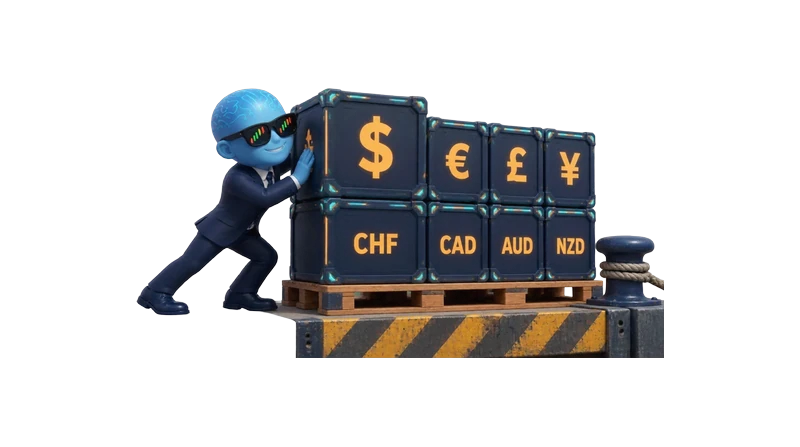 2. What is Traded in Forex?
 3. Buying & Selling Currency Pairs
 4. Market Size & Liquidity
 5. Ways to Trade Forex
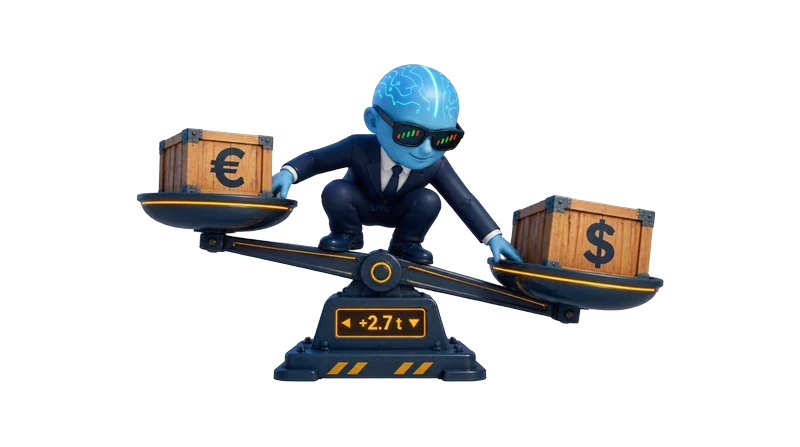 6. How traders actually profit
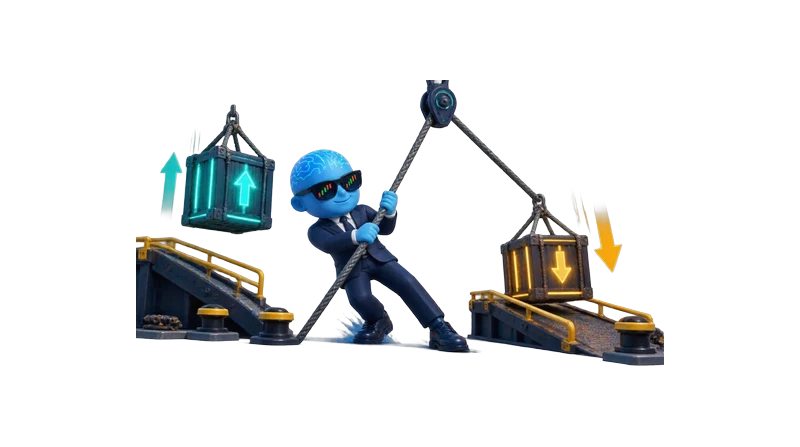 7. Going long or short
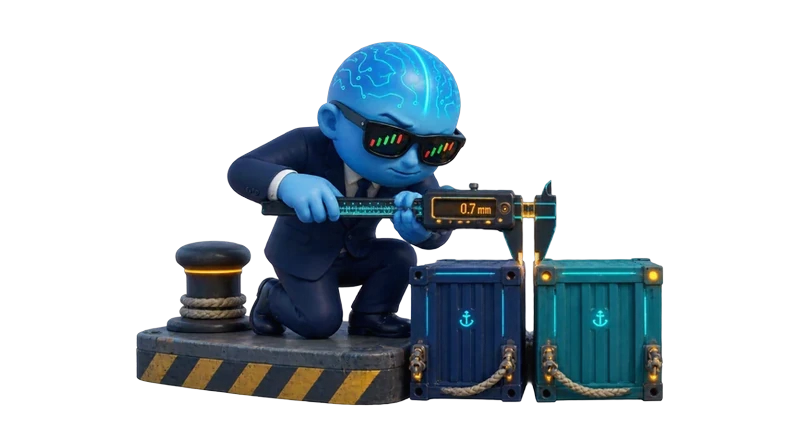 8. Measuring moves in pips
 9. Lots, Leverage, and Profit & Loss
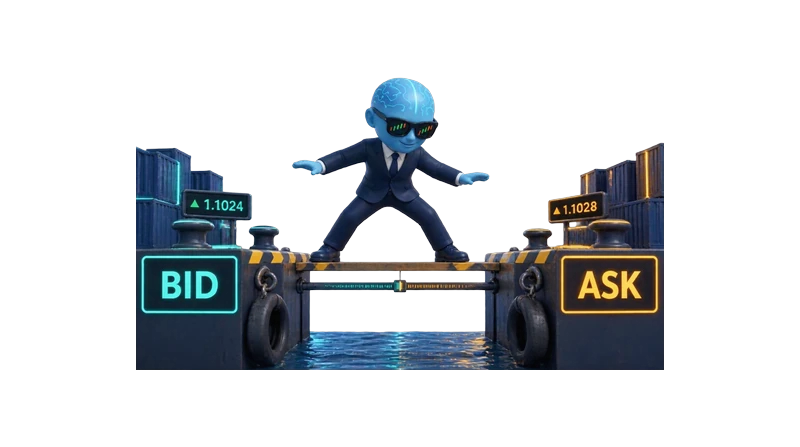 10. The Bid and Ask Price
 11. What is a Spread?
 12. Talk Like the Desk: Forex Lingo
 13. Types of Orders
 14. Order Types Cheat Sheet
 15. Practice with a demo account
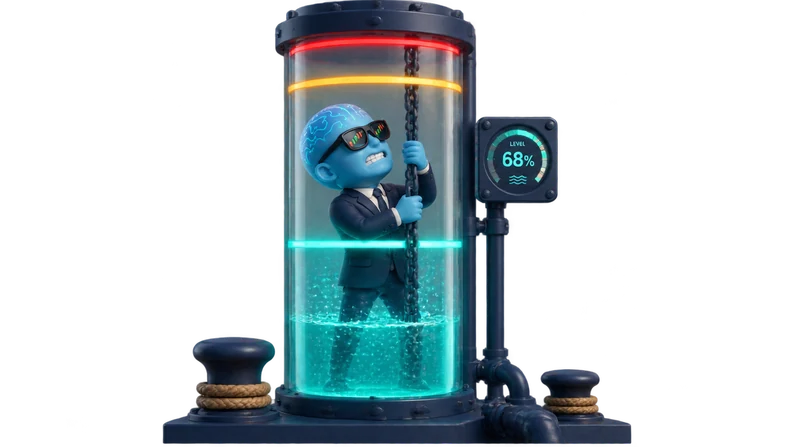 16. How your margin account really works
0 / 16 Completed

2
Foundation IITrading Pit
Forex up close — when to trade, market sessions and market hours.
 1. Is fast money realistic?
 2. Forex Trading Sessions
 3. The Tokyo Session
 4. The London Session
 5. The New York Session
 6. Best Times of Day to Trade
 7. Best Days of the Week to Trade
 8. Forex Market Structure
 9. The Market Players
 10. A Quick Forex History
 11. Why Trade Forex?
 12. Forex vs Stocks
 13. Forex vs Futures
 14. The three types of analysis
 15. Swaps & the carry trade
0 / 15 Completed

3
BeginnerRookie Island
Meet options: calls, puts, moneyness and the option chain.
 1. What is an option?
 2. The 4 parts of an option
 3. What is a Call?
 4. What is a Put?
 5. Buyer vs Seller
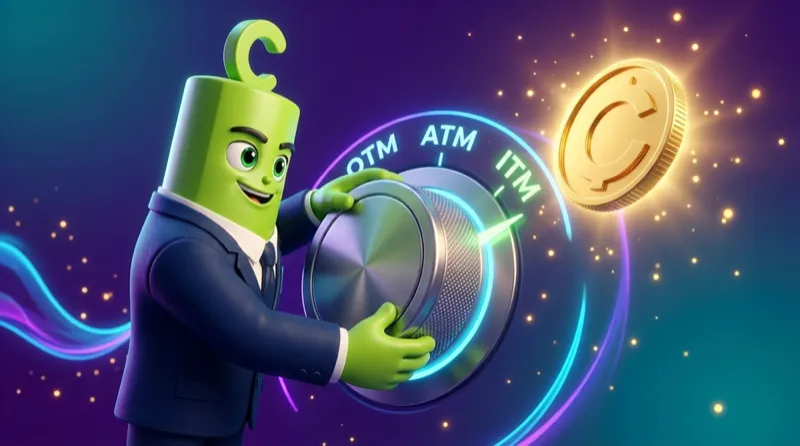 6. Moneyness: ITM, ATM, OTM
 7. Breakeven & the payoff diagram
 8. Intrinsic vs Time value
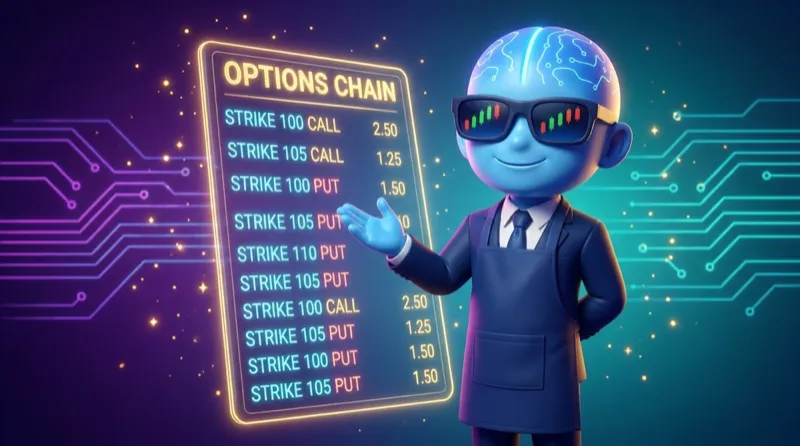 9. Reading the options chain
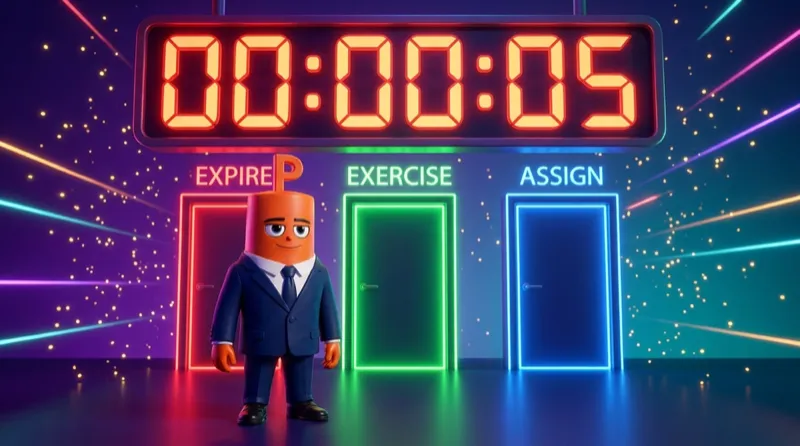 10. Expiration, exercise & assignment
0 / 10 Completed

4
IntermediateVolatility City
The Greeks — Delta, Theta, Vega and implied volatility.
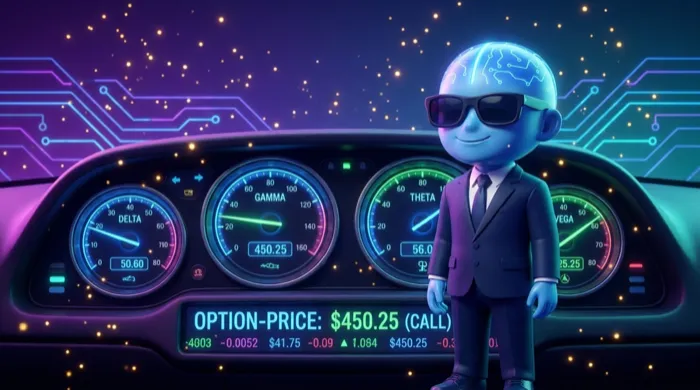 1. What are the Greeks?
 2. Delta — direction & odds
 3. Gamma — Delta's accelerator
 4. Theta — time decay
 5. Vega — the price of volatility
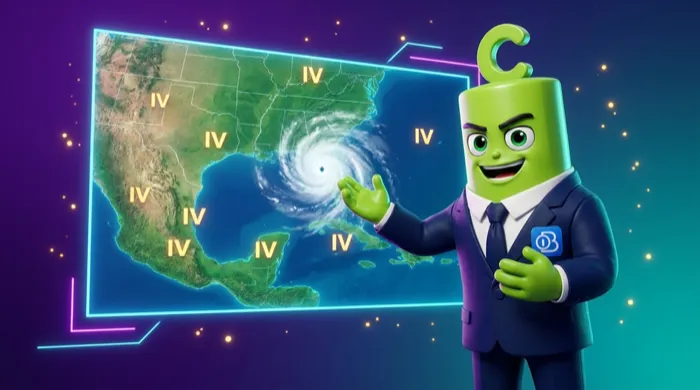 6. Implied Volatility & IV Rank
 7. IV Crush & earnings
0 / 7 Completed

5
AdvancedStrategy Mountains
Spreads, condors, earnings plays and the wheel.
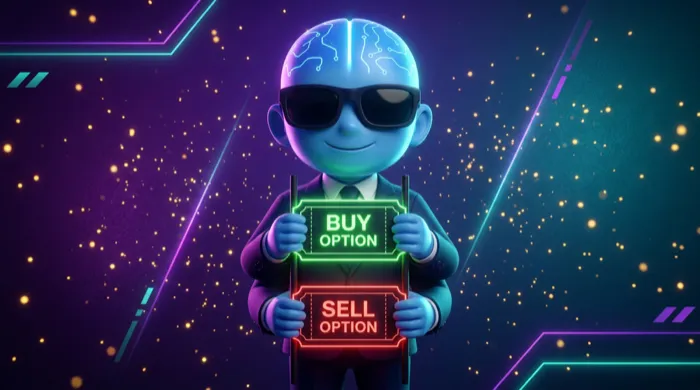 1. Vertical spreads
 2. Credit spreads
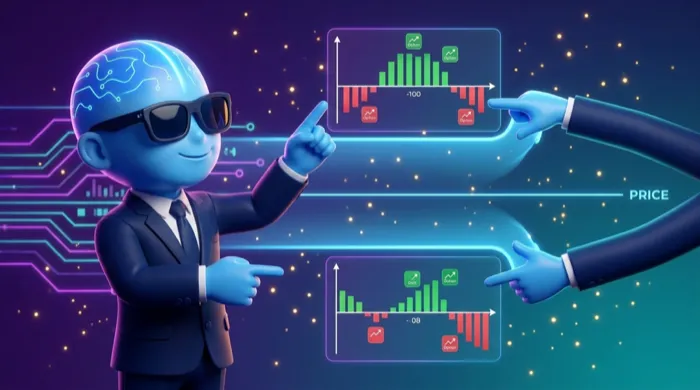 3. The Iron Condor
 4. The Iron Butterfly
 5. Covered calls
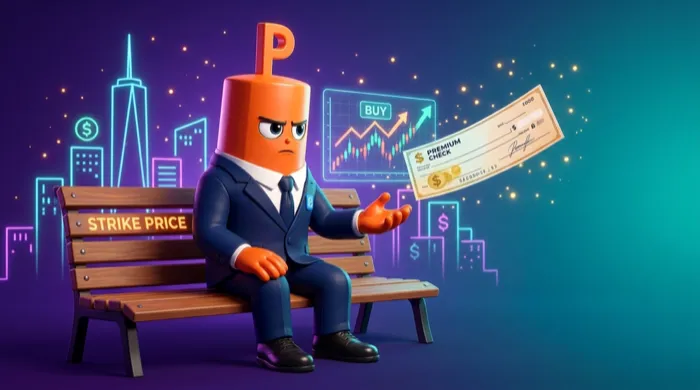 6. Cash-secured puts & the Wheel
 7. Straddles & strangles
 8. Calendars & diagonals
0 / 8 Completed

6
ExpertOptions Master Arena
Risk, psychology and your trading plan.
 1. Psychological Levels
 2. Position sizing & risk per trade
 3. Managing trades: exits & rolling
 4. Trading psychology & discipline
 5. Build your trading plan
 6. Journaling & reviewing trades
 7. Top mistakes to avoid
 8. Stop-loss placement
 9. Build your own trading system
 10. Which type of trader are you?
 11. Scaling in & out
 12. Leverage without blowing up
0 / 12 Completed

7
TechnicalChart Cove
Read the chart — trends, support & resistance, candles and indicators.
 1. Reading a price chart
 2. Trends & trendlines
 3. Support & resistance
 4. Candlestick patterns
 5. Moving averages
 6. RSI & momentum
 7. MACD
 8. Volume & confirmation
 9. Fibonacci retracement
 10. Classic chart patterns
 11. Bollinger Bands & Stochastic
 12. Multiple time-frame analysis
 13. Pivot points
 14. A tour of advanced tools
 15. Trading divergences
 16. Elliott Wave theory
 17. Harmonic price patterns
 18. Heikin Ashi candles
 19. Price action trading
 20. Breakouts & fakeouts
 21. Market environment
0 / 21 Completed

8
Advanced IIEarnings Arena
Earnings, LEAPS, 0DTE and advanced plays.
 1. Trading earnings
 2. LEAPS: long-term options
 3. Poor man's covered call
 4. 0DTE & weeklies
 5. Dividends & early assignment
 6. Synthetic positions
 7. Adjusting & rolling
0 / 7 Completed

9
ProMarket Compass
What moves markets — macro, sentiment and your trading routine.
 1. What moves a stock
 2. The economic calendar
 3. Sentiment & options flow
 4. Sectors & correlation
 5. Building a watchlist
 6. Your trading routine
 7. Currency correlations
 8. The US Dollar Index (DXY)
 9. Reading positioning: the COT report
 10. Prop firms & avoiding scams
 11. Forex brokers 101
 12. Currency crosses
 13. Intermarket analysis
 14. Trading the news
 15. Macro fundamentals for FX
0 / 15 Completed

10
Pro IIThe Dealing Room
Where your order really goes, who prices it and who takes the other side.
 1. Who is on the other side?
 2. Passing the trade on
 3. Taking the other side
 4. Both books at once
 5. Where the price comes from
 6. The fill you actually get
 7. When trading looks free
 8. Reading the disclosures
0 / 8 Completed