Trading the news
Surviving (and using) high-impact releases

Read
Some scheduled releases can move a currency hundreds of pips in seconds. News trading is about handling that volatility — sometimes trading it, and very often just protecting yourself from it.
AI Mentor here. 💥 Interest-rate decisions, inflation prints, jobs reports — these are the moments the market holds its breath. The biggest, fastest moves live here, and so does the greatest danger. Both facts are true at once, and confusing them is expensive.

It is the surprise that moves price
The single most common beginner mistake is reading the headline number and expecting the market to react to it. It will not. The market priced in expectations days ago.
What actually moves a currency is the gap between the released number and the forecast. A genuinely good number that misses expectations can still tank a currency, because "good" was already in the price and "less good than promised" is new information.
Actual vs forecast — the surprise, not the raw number, drives the move. "Buy the rumour, sell the news" — price often runs ahead of the event, then reverses on it. Revisions — a correction to last month's figure can matter as much as this month's.

The hidden dangers
Around a release, the market becomes mechanically treacherous even when your direction is completely right.
Spread widening — costs blow out for a few seconds. Slippage — your order fills far from where you clicked. Whipsaw — price spikes both ways before deciding on a direction.
Note what these three have in common: none of them is about being wrong. You can call the number correctly, call the direction correctly, and still lose to a widened spread and a whipsaw that took out your stop before the real move began.
Tight stops are unreliable through news. The market is not hunting you — it simply has no liquidity to fill you politely.
Three ways to handle it
Pick a stance in advance and stick to it. The worst outcome is deciding in the moment, with a position open and the countdown running.
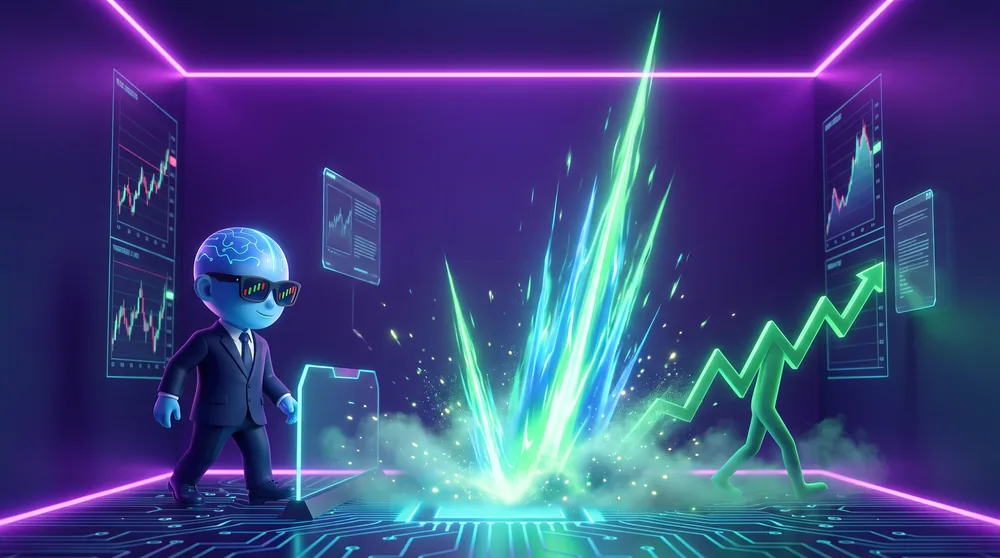
Stand aside — close or avoid trades over the release. The simplest edge there is. Trade the aftermath — wait for the dust to settle, then trade the new trend the release created. Trade the event — advanced only, and only with planned slippage and much wider stops.
For most traders the second one is the sweet spot. The move that follows a release often lasts hours; the spike that precedes it lasts seconds and is the part that eats accounts.
Check the economic calendar before you enter anything, not after. A perfectly good swing trade taken twenty minutes before a rate decision is not a swing trade — it is a coin flip with your stop as the ante.
Reduce size or stand aside, and let the aftermath give you a trend you can actually trade. ⏱️