A Quick Forex History
How money went from gold bars to floating pixels

Read
The charts on your screen are surprisingly young. Here’s how money travelled from gold bars in a vault to floating pixels in your pocket.
Before there were pips, candles, or trading apps, there was gold. Cold, heavy, sitting in a vault. To understand why the forex market works the way it does today, it helps to rewind and watch how the whole idea of money slowly cut itself loose.
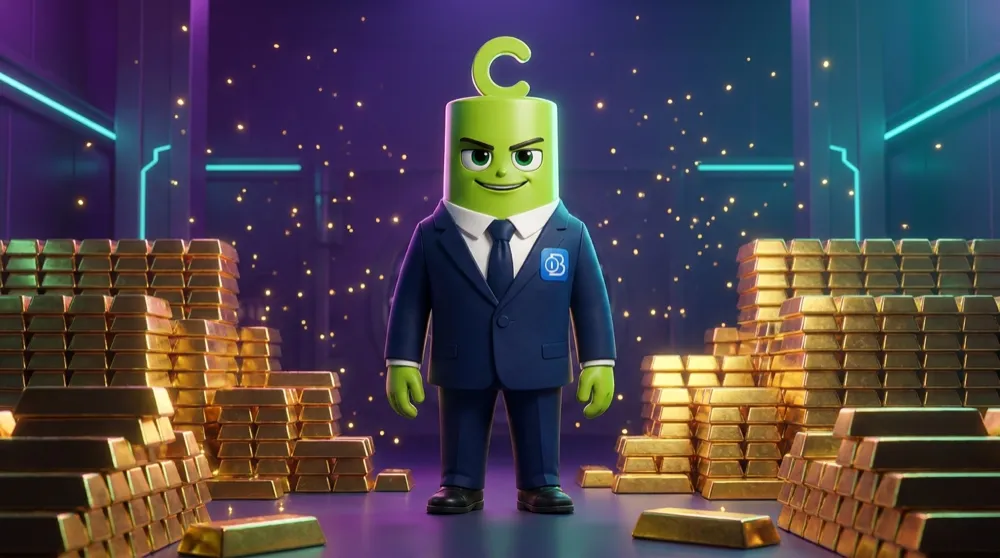
When money was gold
For a long stretch of history, a country’s paper money was worth something for one simple reason: you could march into a bank and swap it for real gold. Under this so-called gold standard, every unit of currency was backed by a fixed amount of the metal.
That made money reassuringly stable — a note was a genuine claim on treasure. But it came with a heavy chain attached: an economy could only grow its money supply as fast as it could dig up or buy more gold. Your entire financial system was shackled to how much shiny metal you happened to own.
In the gold-standard days, a banknote was basically a receipt that said “this can be redeemed for X grams of gold.” The paper itself was worthless — it was a promise about the vault behind it.
After WWII: everything pegged to the dollar
When World War II ended, the major economies were exhausted and needed a way to trade with each other without descending into chaos. So in 1944 they struck a deal known as the Bretton Woods system.
The clever twist: instead of every currency tracking gold on its own, they all pegged their value to the US dollar — and the dollar alone stayed convertible to gold. The greenback became the anchor at the very centre of the money world.
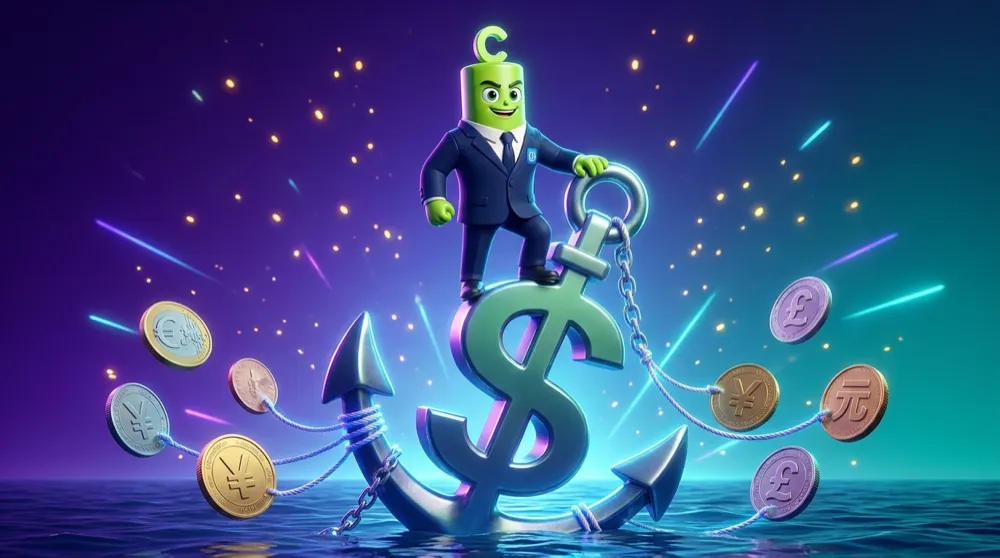
Other currencies were fixed to the dollar. Only the dollar could be swapped for gold. The whole goal was stable exchange rates so the world could rebuild global trade after the war.
One currency to rule them all — for a while, anyway.
The 1970s: currencies cut loose
By the early 1970s the dollar-and-gold arrangement was buckling under pressure. There simply wasn’t enough gold behind all the dollars, and the strain finally snapped the system. The United States ended the dollar’s convertibility to gold, and Bretton Woods collapsed.
From that moment on, the world’s major currencies were set free to float — their prices decided not by a fixed peg but by plain old supply and demand, rising and falling against each other every second of every day.
This is the real birthday of the market you trade today. The whole idea of currencies bobbing up and down on a live chart is barely half a century old — younger than plenty of people reading this.
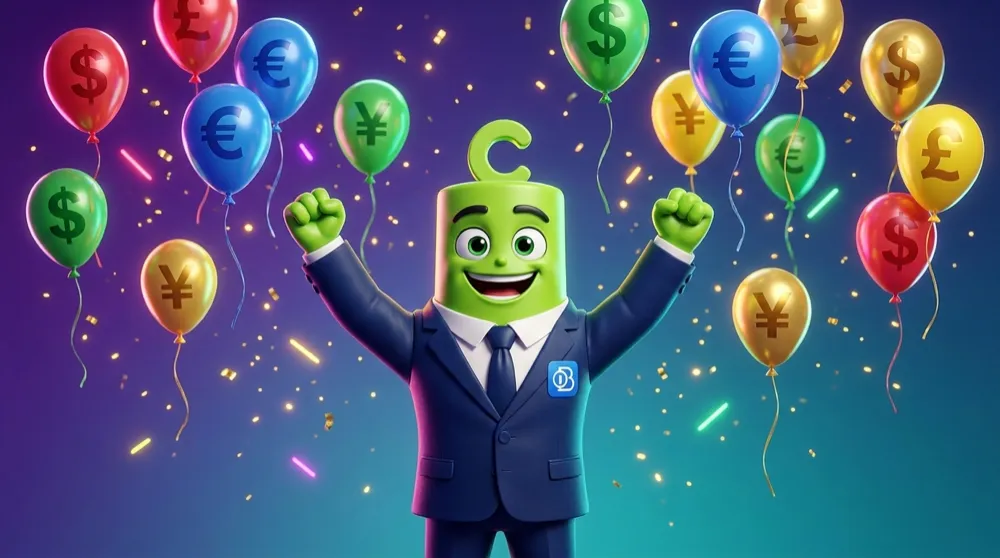
The late 1990s: forex goes retail
Even with currencies floating freely, trading them stayed an exclusive club for decades — a game for banks and giant institutions with the connections and the capital. A regular person had no way in.
Then the internet arrived. By the late 1990s, online brokers had figured out how to let everyday people open small accounts and trade the very same market from their bedrooms. Forex went from a members-only club to something you could tap into with a computer and a connection.
The web is what put a trading desk in your pocket. Every era before this one locked you out. This is the moment the market’s doors finally opened to the retail trader — which is exactly why you’re here.
So that’s the whole journey in one breath: gold in a vault → currencies pegged to the dollar → the pegs snapping in the 1970s → the internet flinging the doors open in the late 1990s. From heavy metal to floating pixels. Now that you know how we got here, you’re ready to start reading what the market’s actually doing.