What is an option?
A contract that gives you a choice
Read
Before the Greeks, the charts and the strategies — there is one small idea. An option is a paid choice. Get this, and the rest is just detail.
Imagine a coffee shop hands you a card: "Large latte for $4, any day this month — your call." You didn’t buy coffee. You bought the right to buy coffee at $4, whenever you feel like it.
If the shop raises prices to $6 next week, your little card suddenly matters — you still pay $4. If prices drop to $3, you shrug and buy at the counter like everyone else. The card was never a bill. It was a choice you paid a few cents to hold.
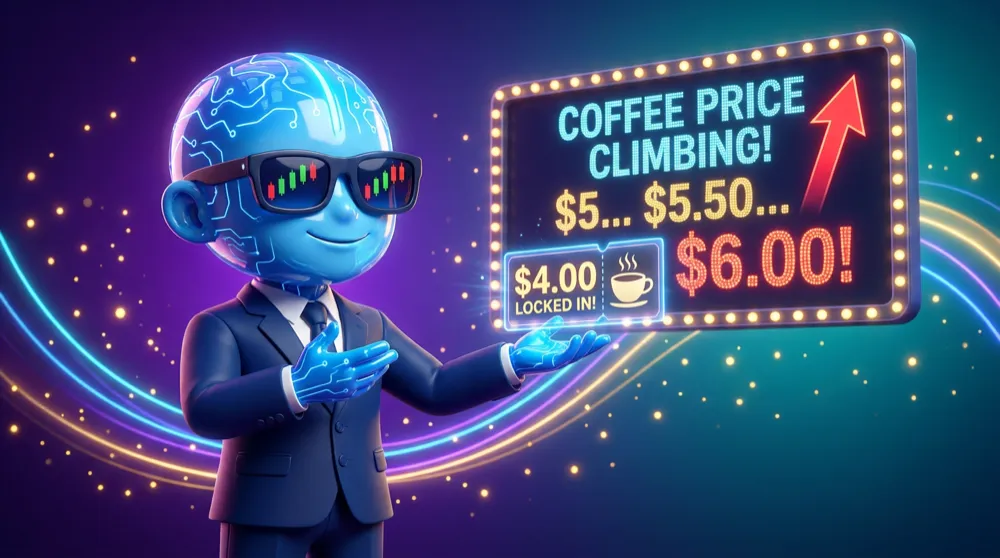
That card is an option. Swap the coffee for a stock, and you’ve got the entire concept. An option is a contract that gives you the right — but never the duty — to trade a stock at a set price before a deadline.
An option isn’t a purchase. It’s a paid right to decide later.
The magic word: right, not obligation
This is the whole ballgame, so slow down here. When you own an option, you hold the steering wheel. You can use it, or you can walk away — nobody can force your hand.
Say you hold the right to buy NVDA at $100, but the stock is now trading at $80. Would you pay $100 for something you can grab for $80 on the open market? Of course not. So you simply do nothing and let the option expire. No penalty, no drama.
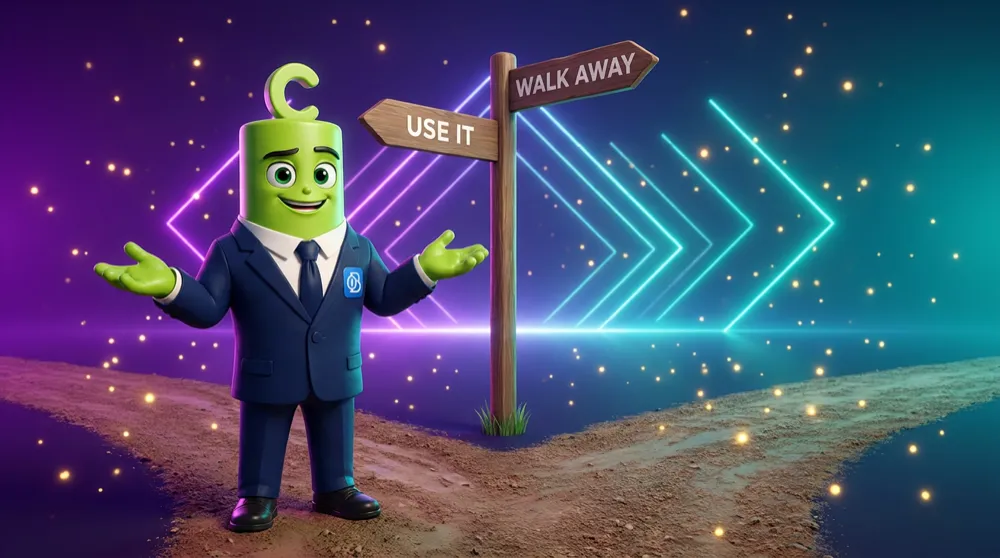
The buyer of an option holds a right. Later you’ll meet the seller, who takes on an obligation. For now, keep it simple: as a buyer, you can always walk away.
Compare that to buying the stock outright. Own 100 shares of NVDA and a bad week can hit hard — your money rides every dip. An option buyer’s worst case is smaller and known in advance, which is exactly why beginners often start here.
Why would anyone want this?
Because a tiny contract packs a few genuine superpowers. Here’s what that small ticket buys you.
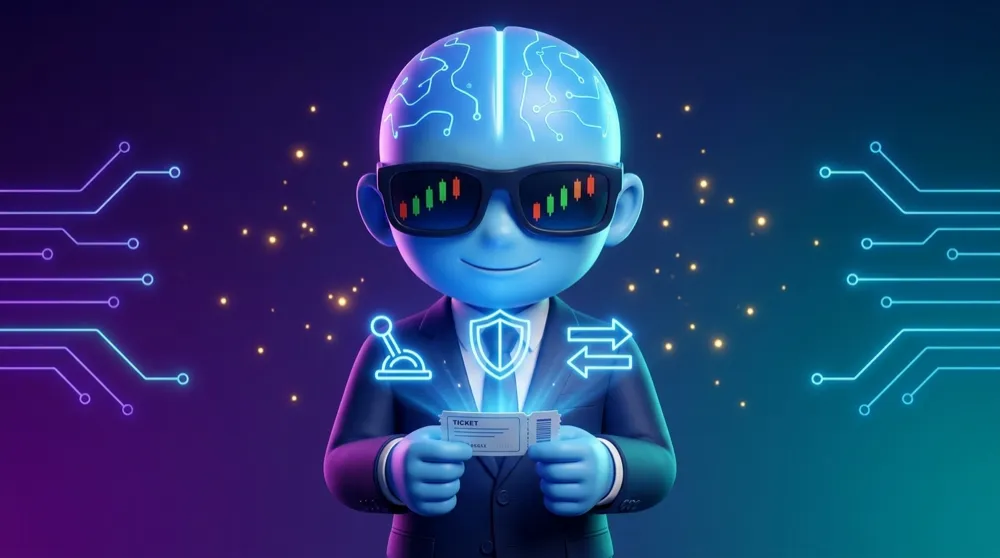
Leverage. One option contract typically controls 100 shares. That means a small amount of money can command a position that would otherwise cost a fortune — your gains (and swings) are magnified relative to what you put in.
Defined risk. As a buyer, the most you can lose is the fee you paid to hold the right. Not your account. Not more than you agreed to. Just the ticket price. That capped downside is a big part of the appeal.
Flexibility. Options let you profit whether you think a stock will rise or fall — you’re not stuck betting one direction. You can go long on an idea that a stock climbs, and later you’ll learn setups for the other way too.
That “control 100 shares for a fraction of the price” move is why traders love options — and also why the risk deserves respect. Power cuts both ways once you start selling them.
So that’s an option: one contract, one big idea — a paid right to trade later, on your terms. Next up, we crack the contract open and look at the four parts every single option is built from. Once you can read those, the options chain stops looking like alphabet soup. 🎓