Trading psychology & discipline
Your biggest opponent is your own brain

Read
The market doesn’t beat you with math. It beats you with feelings — and it knows exactly which buttons to press.
Here’s the uncomfortable truth nobody warns beginners about: your biggest opponent isn’t the market. It’s the person clicking the buttons. You.
The market has a cruel sense of timing. It waits until you’re euphoric to tempt you into overbetting, and until you’re terrified to make you sell at the exact bottom. Your real edge was never a secret indicator — it’s staying calm in the two moments when everyone around you isn’t.
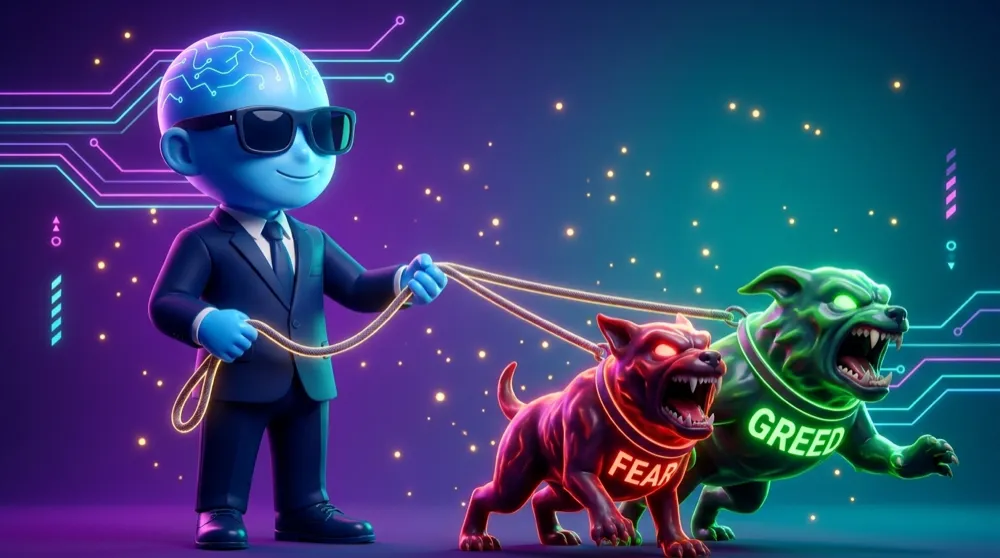
Name the emotion out loud and it loses half its power over you.
Strip away the jargon and almost every bad decision traces back to just two emotions: fear and greed. Everything else is a costume one of them is wearing.
The four wreckers
Big losses rarely come from bad analysis. They come from one of these four feelings grabbing the wheel:
FOMO — chasing a trade late because it’s already flying. Greed — refusing to take profit, always wanting more. Fear — panic-selling a good trade at the worst possible moment. Revenge — forcing a bad trade to “win back” a loss.
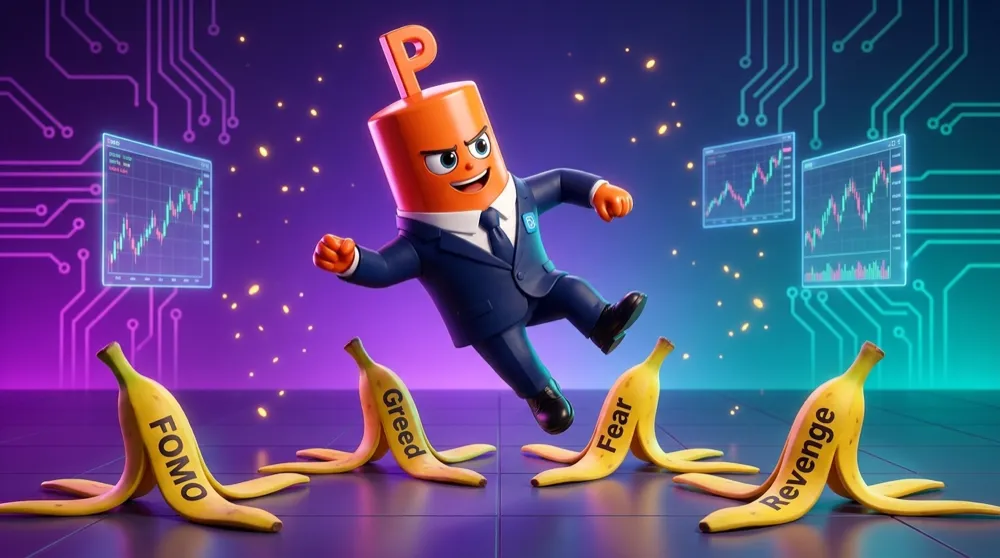
You will feel all four. Every trader does, forever — that never fully goes away. The skill isn’t deleting the feelings. It’s noticing the feeling and not letting it be the one that clicks the button.
You just took a painful loss and feel a burning urge to jump straight back in and make it back. That urge is revenge trading — the single quickest way to turn one loss into five. Step away, breathe, and wait for a real setup. That pause is what separates traders from gamblers.
Discipline is a system, not willpower
Here’s where most people get it wrong. They think discipline means gritting their teeth and being tougher in the moment. But willpower is a battery, and it’s always flattest exactly when a trade goes crazy and you need it most.
So don’t rely on it. You can’t out-willpower your own brain mid-trade. Instead, let calm-you write the rules in advance, so that heated-you only has to follow them.
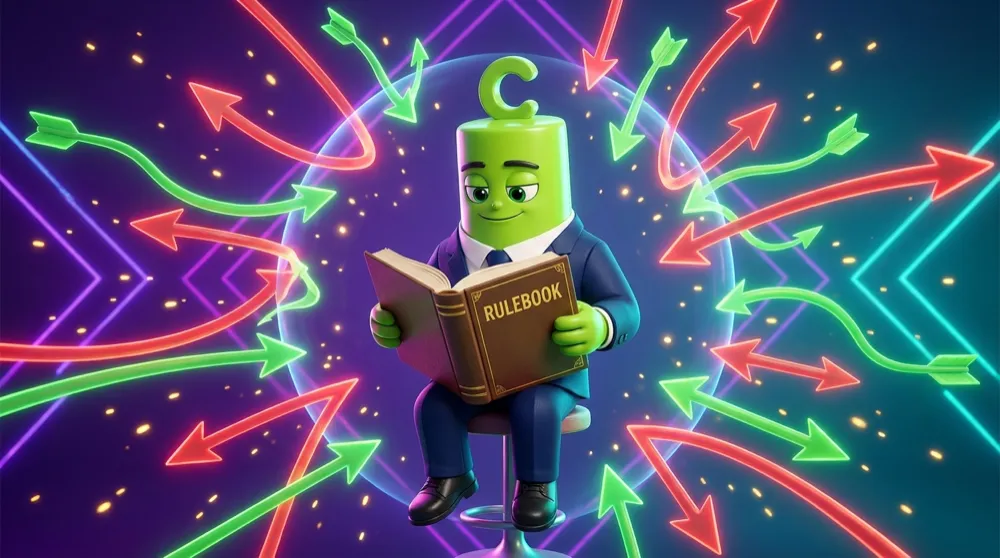
Pre-set rules — entry, size, and exit all decided before the trade. A checklist — no position goes on unless it ticks every box. A cool-down — a hard rule to stop trading after X losses in a day, no exceptions.
Notice what these have in common: they take the decision out of the emotional moment entirely. The choice was already made when you were thinking clearly. Now you just execute.
Master the trader, and the trades follow
The best traders in the world aren’t emotionless robots. They feel the same fear and greed you do — they’ve just built rails so those feelings can’t steer. Calm beats clever, every time, over a long enough run.
So the work isn’t to feel nothing. It’s to build the habits that keep your feelings’ hands off the button. Master the trader, and the trades quietly start taking care of themselves. Next up: we turn those loose habits into an actual written plan. 🎓