Buyer vs Seller
Two sides of every contract

Read
Every option has two sides of the table. So far you’ve sat in the buyer’s seat. Time to meet the person across from you — and see why their risk is a whole different animal.
Here’s a fact that reframes everything: for every option that gets bought, someone else sold it. A contract can’t exist with just one side. There’s always a buyer and a seller, wanting opposite outcomes.
You’ve been the buyer this whole time — paying a fee to hold a right. Now let’s flip the table and look at the other seat, because the two roles could not be more different.
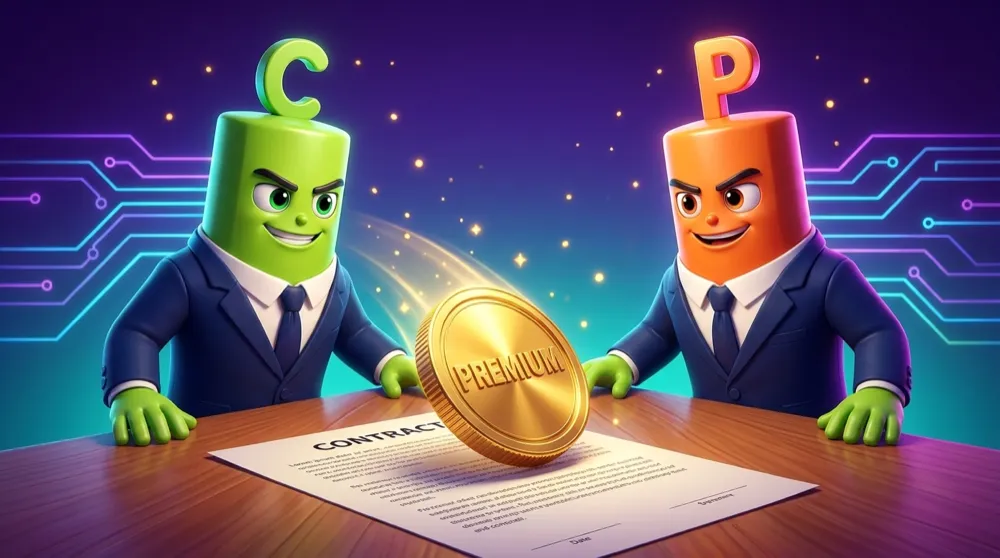
One side holds a choice. The other side holds an obligation.
The buyer — going long
The buyer pays the premium and, in return, owns the right to trade at the strike. This is called going long — you’re betting the option becomes worth more than you paid.
The buyer’s scorecard is friendly. Max loss: just the premium — the fee is capped and known before you enter. Max gain: large, because if your bet works out, the payoff can dwarf what you put in.
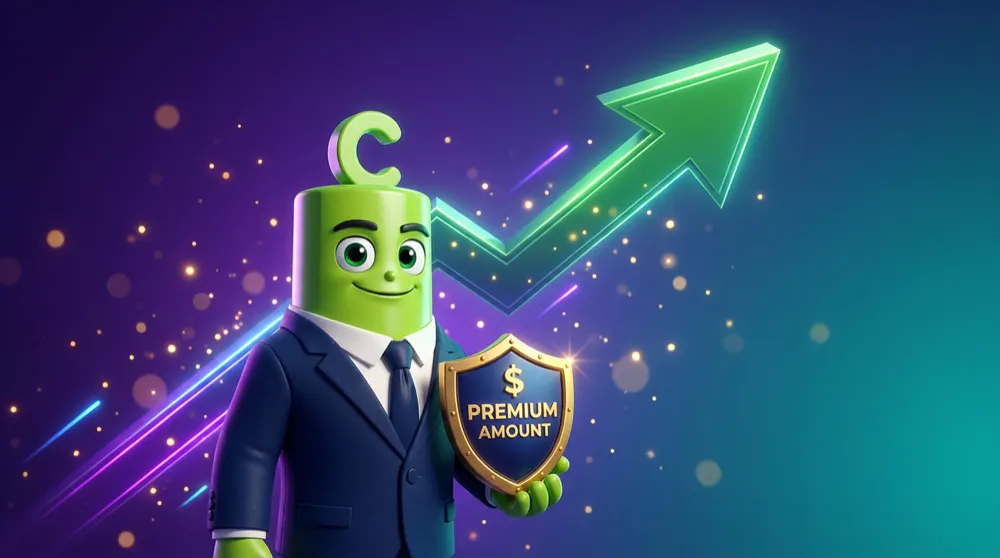
Capped downside, open-ended upside — that combination is why new traders usually start by buying. Your worst case is written on the ticket before you even begin.
The seller — going short
The seller sits on the opposite side. They receive the premium up front — cash in hand today — but in exchange they take on the obligation to trade if the buyer chooses to exercise. This is going short.
Flip the scorecard and you see the catch. Max gain: only the premium collected — that’s the ceiling, no matter how well things go. Max loss: large, because they’re on the hook to deliver whenever the buyer says so.
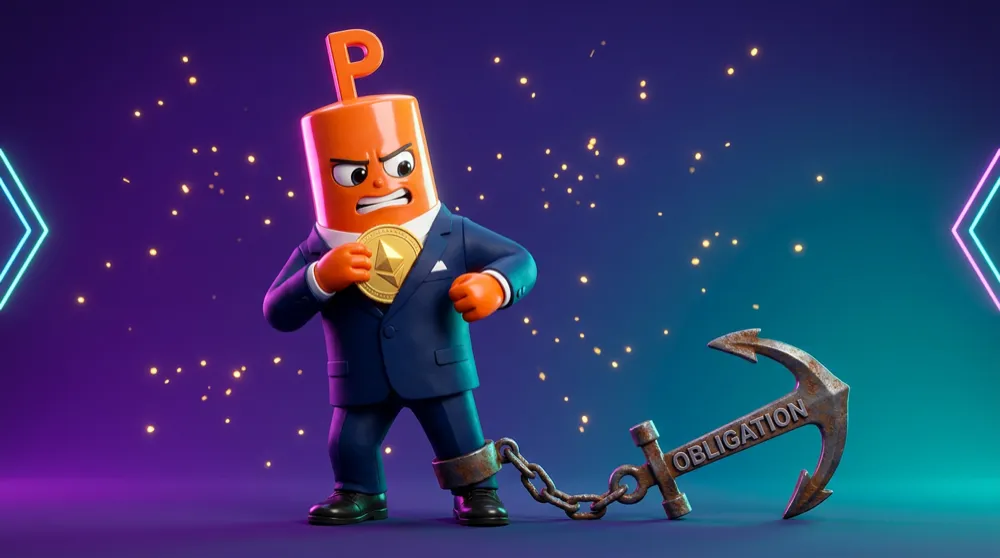
Selling options can be a real strategy — but the seller keeps a small, fixed reward while carrying a large, open risk. Respect that trade-off. This seat is for later, with care and a plan.
So which seat is yours?
Let’s lock the core rules. The premium always flows one way: from buyer to seller. The buyer holds a right (a choice); the seller holds an obligation (a duty). That single asymmetry drives everything else.
Who pays the premium? The buyer. Who has no choice if the buyer exercises? The seller. Nail those two and you’ll never lose track of which side you’re on.
For now, the answer is easy: while you’re learning, buy. Your risk is capped at the premium, your downside is defined, and you can sleep at night. Selling — with its large, open-ended risk — is a room you walk into later, deliberately, once the fundamentals are second nature.
And that’s both seats at the table. You now see how a single contract can be a defined-risk bet for one person and a paid-but-risky obligation for another. That wraps Kindergarten — Elementary is where things get real. 🎓